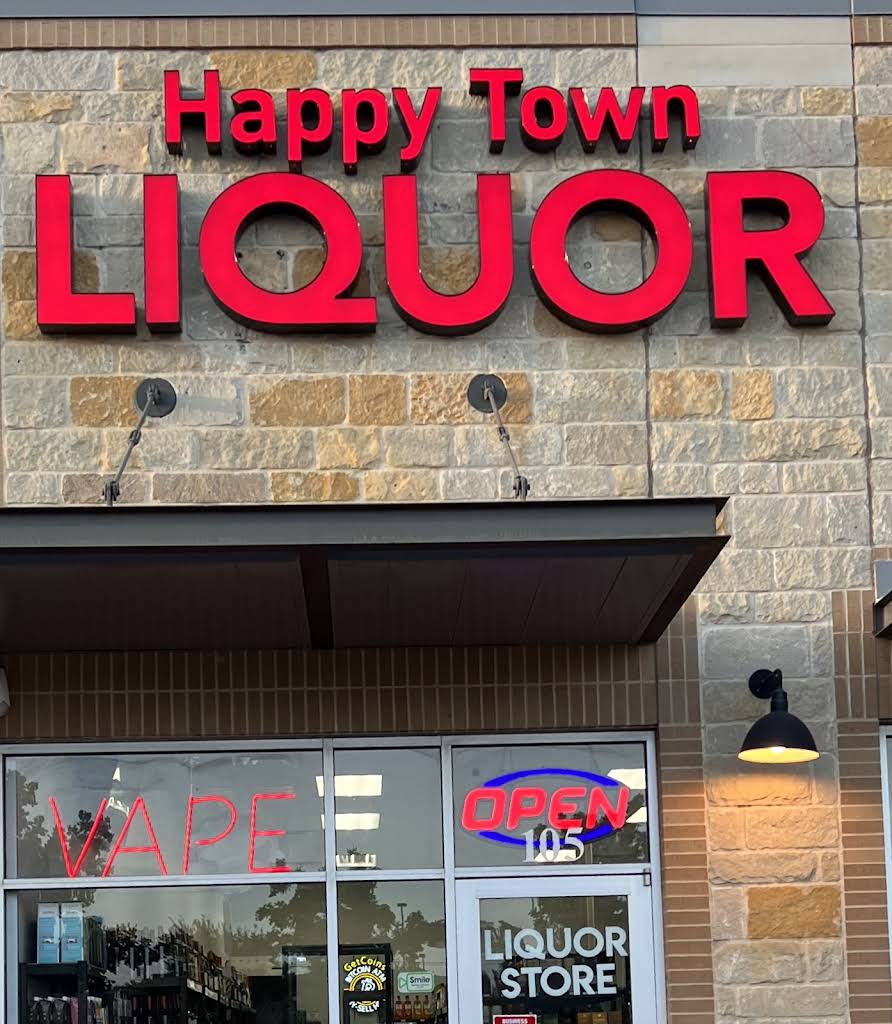
A Liquor Store in Pflugerville That Makes Every Visit Enjoyable
Comprehending the Various Sorts Of Liquor: A Novice's Insight
Understanding the various sorts of liquor can be informing for both casual drinkers and fanatics alike. Each classification of spirit provides distinct tastes and qualities shaped by its manufacturing techniques. Whiskey, vodka, rum, gin, and tequila each inform a special tale. Checking out these varieties not just enhances appreciation yet additionally opens a world of alcoholic drink possibilities. What intriguing combinations and histories exist behind these beloved drinks?
What Is Liquor?
Liquor, a distilled liquor, is characterized by its greater alcohol content contrasted to fermented drinks. It incorporates a broad array of spirits, including scotch, vodka, rum, tequila, and gin. The alcohol by quantity (ABV) in alcohol usually varies from 20% to 50%, significantly going beyond that of beer and red wine. Alcohol is generated via fermentation adhered to by distillation, which concentrates the alcohol and improves its taste profile.
Each kind of liquor has special qualities affected by its active ingredients, production techniques, and local practices. Bourbon is frequently matured in wood barrels, giving unique tastes, while vodka is recognized for its purity and smoothness. In addition, liquor offers as a base for mixed beverages and various mixed drinks, making it a basic part of celebrations and celebrations. Understanding the different types of liquor makes it possible for people to value the varied world of spirits and their social significance.

The Purification Refine Explained
The production of liquor relies heavily on the purification process, an approach that separates alcohol from various other elements in the fermented mix. This process starts after fermentation, where sugars are transformed into alcohol. The mix, known as the wash, is warmed in a still. As the temperature level climbs, alcohol vaporizes initially because of its lower boiling point contrasted to water and various other compounds. The vapor is then collected and cooled down, condensing it back into liquid kind.
Purification can happen in several stages, referred to as pot or column purification, to accomplish greater pureness and preferred alcohol content. The initial purification produces a low-alcohol spirit, which can be distilled again for better improvement. This method not just boosts alcohol concentration however also affects flavor accounts, making it a necessary action in alcohol production. Understanding this procedure offers insight right into the workmanship behind various alcoholic drinks.
Types of Liquor: An Overview
The category of spirits is important for understanding the varied categories of liquor. By examining the purification process, one can appreciate exactly how various techniques bring about distinct taste profiles and qualities. This overview will certainly highlight the key types of alcohol and their differences.
Spirits Classification Clarified
While numerous take pleasure in the vibrant flavors and varied experiences supplied by alcoholic beverages, understanding the category of spirits can boost one's appreciation and choice. Spirits are normally classified right into five primary types: scotch, vodka, gin, rum, and tequila. Each group is identified by its base active ingredients and manufacturing methods. Scotch is made from fermented grain mash, while vodka is commonly distilled from grains or potatoes. Rum, obtained from sugarcane, uses a sweeter account, whereas gin is seasoned with juniper berries and various other botanicals. Tequila is especially made from heaven agave plant, primarily in Mexico. Recognizing these classifications allows enthusiasts to make informed choices based on personal preference choices and preferred events.
Purification Refine Review
Purification functions as an important process in the manufacturing of numerous kinds of liquor, substantially affecting their taste, alcohol, and pureness content. This method involves warming a fermented liquid to vaporize its alcohol and then cooling down the vapor to gather the liquid form. The primary phases include fermentation, where sugars are transformed to alcohol, adhered to by purification, which divides alcohol from water and other components based upon differing boiling factors. Different types of liquor, such as rum, scotch, and vodka, make use of unique active ingredients and distillation approaches, resulting in varied tastes and features. The number of purification cycles and the kind of still made use of can likewise impact the final item, adding to the vast range of spirits offered on the market today.
Bourbon: The Spirit of Option
Bourbon embodies an abundant tapestry of tradition and workmanship, bewitching enthusiasts around the globe. This precious spirit has distinct styles, consisting of Scotch, Irish, bourbon, and rye, each with special characteristics shaped by local active ingredients and aging processes. The heart of whiskey lies in its grains, usually barley, rye, wheat, or corn, which impart diverse tastes and fragrances.
Production begins with mashing, where grains are integrated with water and warmed to convert starches into sugars. Fermentation adheres to, allowing yeast to turn sugars into alcohol. The distillation process after that raises the alcohol content, and aging in wooden barrels improves the bourbon's intricacy, including notes of seasoning, vanilla, and sugar.
Bourbon is typically commemorated for its convenience, enjoyed neat, on the rocks, or in mixed drinks. Its cultural importance and rich history have actually made it a favorite among lovers and casual drinkers alike, solidifying scotch's status as a timeless spirit.
Vodka: The Versatile Favorite
Vodka stands out as an incredibly adaptable spirit, with a rich background that traces back centuries. Its manufacturing procedure, which can differ considerably by region, contributes to its distinct personality and taste. Furthermore, vodka plays a central role in a wide array of preferred alcoholic drinks, showcasing its versatility worldwide of mixology.
Background of Vodka
Originating from Eastern Europe, vodka has an abundant historical tapestry that links with numerous cultures and traditions. Believed to have arised in the 9th or 8th century, the spirit was originally made use of for medical purposes prior to progressing into a popular liquor. Words "vodka" originates from the Slavic word for "water," showing its clear appearance. Vodka obtained importance in Russia and Poland, where it became deeply ingrained in social and spiritual customizeds. By the 14th century, purification methods improved, bring about greater alcohol material. Happy Town Liquor. Throughout the centuries, vodka has actually adapted, being and influencing affected by regional choices. Today, it is well known worldwide, showcasing its versatility and cultural value across different cultures
Production Refine Explained
The production of vodka includes a meticulous procedure that transforms raw active ingredients into a polished spirit. Commonly, vodka is made from grains such as wheat, rye, or corn, though it can also be distilled from potatoes or even fruits. The procedure begins with fermentation, where yeast transforms sugars from the ingredients right into alcohol. Following fermentation, the mix goes through distillation, which divides alcohol from contaminations and concentrates its stamina. This is often accomplished via multiple purifications. The distilled spirit is after that filteringed system, in some cases utilizing charcoal, to attain a smooth structure. Vodka is watered down with water to reach the preferred alcohol material, commonly around 40% ABV, prior to being bottled for consumption. This careful manufacturing procedure adds to vodka's tidy and functional personality.
Popular Cocktails Featuring Vodka
While many spirits have their signature cocktails, vodka stands apart for its incredible adaptability in mixology. This versatility enables it to be featured in a variety of popular mixed drinks that satisfy diverse palates. The timeless Vodka Martini, a mix of vodka and completely dry vermouth, is a staple for those looking for refinement. The stimulating Moscow Burro incorporates vodka, ginger beer, and lime juice, interesting those that take pleasure in a spicy kick. For a sweeter choice, the Cosmopolitan mixes vodka with triple sec, cranberry juice, and lime. Additionally, the Bloody Mary, known for its mouthwatering account, incorporates vodka with tomato juice and a selection of seasonings. These mixed drinks highlight vodka's capacity to integrate with numerous tastes, making it a preferred among alcoholic drink lovers.
Rum: A Preference of the Tropics
Understood for its dynamic flavors and abundant cultural heritage, rum personifies the essence of the tropics - Happy Town Liquor. This distilled spirit, made largely from sugarcane by-products such as molasses or straight from sugarcane juice, has a diverse variety of accounts. From the light, crisp notes of white rum, official site frequently made use of in mixed drinks, to the deep, intricate tastes of dark rum, which are commonly aged longer, rum accommodates various tastes buds
Areas like the Caribbean and Central America are renowned for generating top quality rums, each showing regional customs and components. The aging process can give special characteristics, permitting sweet, spicy, or perhaps fruity touches. Rum's adaptability expands to its usage in combined drinks or appreciated cool, making it a preferred option among spirit enthusiasts. Overall, rum welcomes enthusiasts to experience a preference of the tropics, commemorating its abundant history and diverse expressions.
Gin: Botanicals and Past
Gin, a spirit commemorated for its natural complexity, captivates the taste with its one-of-a-kind mixture of botanicals. At its core lies juniper berries, providing a distinct pine-like taste that specifies the spirit. Nonetheless, the appeal of gin extends much yet singular active ingredient. Distillers commonly try out a diverse array of botanicals, such as coriander, angelica origin, citrus peels, and different herbs, each adding to a split preference account.
The equilibrium of these botanicals can differ substantially, creating different designs of gin. London Dry gin uses a crisp, juniper-forward experience, while Old Tom gin presents a sweeter, more rounded taste. Regional variations, such as Navy Toughness and Sloe gin, further broaden the landscape of this versatile spirit. Inevitably, gin's herb variety invites imagination in alcoholic drinks, making it a preferred amongst mixologists and lovers alike, each discovering new nuances in every sip.
Frequently Asked Concerns
What Is the Difference Between Alcohol and Liqueur?
The distinction between liquor and liqueur exists mainly in their ingredients and sweet taste. Alcohol, a distilled spirit, contains no included sugars, while liqueur is sweetened and flavored with different ingredients, creating an unique preference account.
Can Alcohol Be Consumed Straight or Only in Cocktails?
Liquor can be taken in both straight and in cocktails. Numerous appreciate sipping it neat to appreciate its full taste, while others favor blending it with numerous ingredients to create diverse and delicious mixed drinks.
Just how Should Liquor Be Stored for Optimum Quality?
Alcohol needs to be saved upright in a great, dark area, far from straight sunshine and temperature level variations. Correct copyright liquor prices sealing and minimal direct exposure to air aid preserve excellent quality and taste with time.
What Is the Alcohol Content in Various Sorts Of Alcohol?
The alcohol material in various liquors usually ranges from 15% to 60% by volume. Spirits like vodka and scotch usually have greater percentages, while wines and liqueurs usually possess reduced alcohol concentrations, mirroring their special production processes.
Exist Health And Wellness Advantages Related To Moderate Liquor Intake?
Research study indicates that modest alcohol consumption may offer potential wellness benefits, such as improved cardio health and social enjoyment. Happy Town Liquor. Nevertheless, excessive consumption can result in extreme unfavorable consequences, highlighting the significance of small amounts in usage